
| Market | Code | Basis |
|---|---|---|
| All HS countries | 1702.90 | Harmonized System, first 6 digits |
| Indonesia (export) | 1702.90.51 coconut sap sugar; 1702.90.59 other palm sugar, incl. arenga | Indonesian tariff book (BTKI) |
| European Union | 1702 90 95 | CN code used on EU organic certificates for coconut sugar |
| United Kingdom | 1702 90 95 00 | HMRC advance tariff ruling 600009604 (2024) |
| Japan | 1702.90-190 | Japan Customs classification example |
Why 1702.90 and not 1701
Heading 1701 covers cane sugar and beet sugar. Palm sugar comes from neither. Coconut sugar is made from the sap of coconut flower stalks, and arenga palm sugar from the sap of the sugar palm, Arenga pinnata. Both are boiled down from palm sap and dried into granules. You can read how in How Arenga Palm Sugar Is Made.
Japan Customs says this directly in one of its published classification examples (opens in a new tab). It places coconut sugar in subheading 1702.90 because it is "obtained from a Palmaceae plant rather than that obtained from sugarcane and sugar beet."
Heading 1702 is "other sugars". Inside it, 1702.90 is the catch-all subheading for sugars that are not lactose, maple sugar, glucose or fructose. Palm sugar lands there.
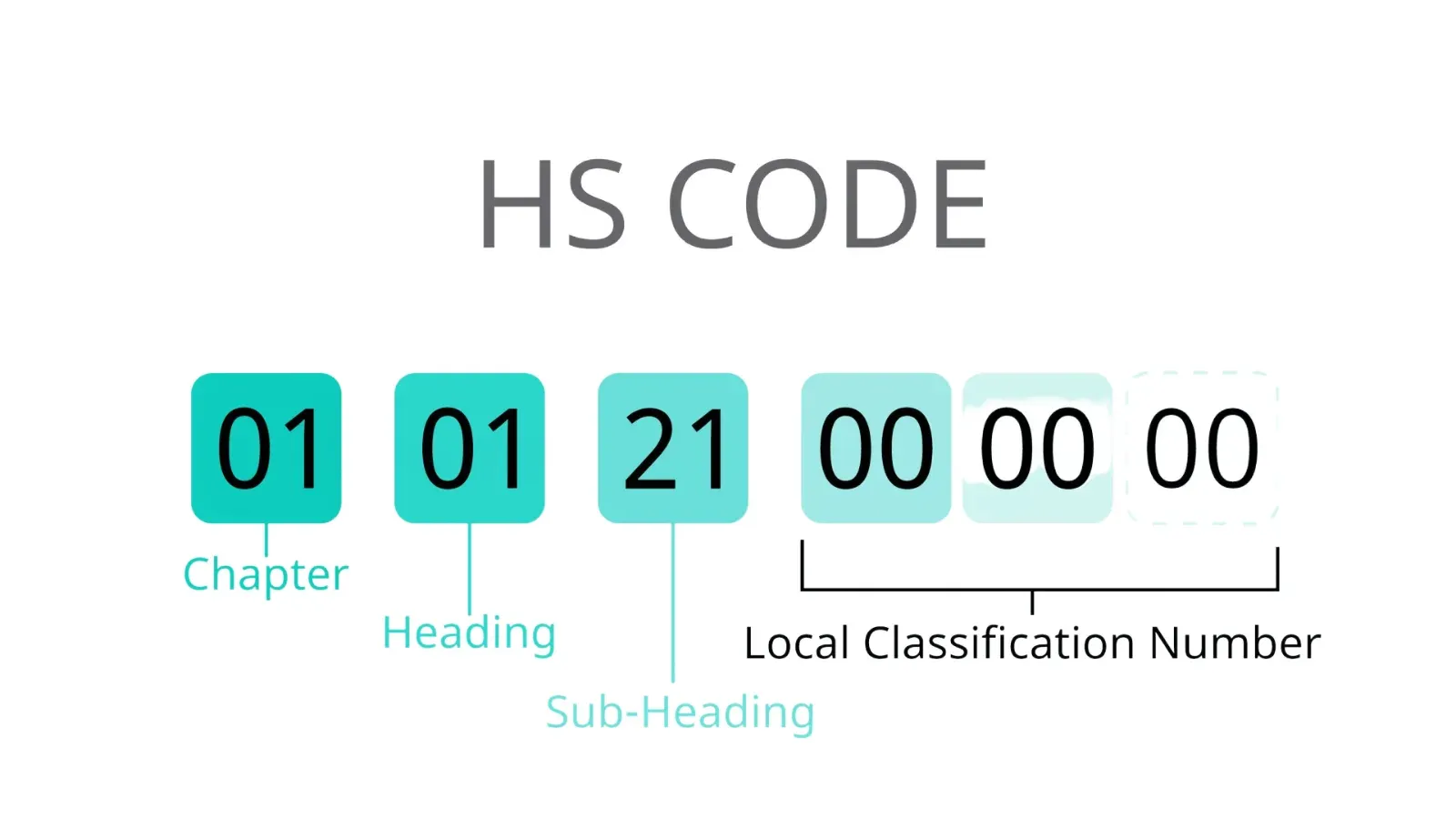
The six digits, 1702.90, are the same in every country that uses the Harmonized System. The digits after that are national, so the full code changes from one market to the next.
Indonesia: the export declaration
Indonesia's tariff book has its own lines for palm sugar under 1702.90: 1702.90.51 for coconut sap sugar, and 1702.90.59 for other palm sugar, which is where arenga palm sugar goes. As the exporter, we put the code on the export declaration (PEB). The buyer's broker still classifies the goods again under the importing country's own tariff.
European Union
The EU code is 1702 90 95, "other". The EU organic certificates we have seen for coconut sugar list granules, blocks and cubes under CN 1702 90 95. Arenga palm sugar has no line of its own either, so it normally falls in the same code. Your broker can confirm the duty for your shipment in the EU TARIC database.
United Kingdom
The UK keeps the same 10-digit structure. In 2024 HMRC issued an advance tariff ruling (opens in a new tab) (reference 600009604) that put coconut nectar syrup under 1702 90 95 00. That ruling was for syrup, not granulated sugar, but it follows the same reasoning: a sugar from palm sap, not covered by any named line.
Japan
Japan Customs' example puts coconut sugar under 1702.90-190. Japan also notes that its examples depend on the goods as declared, so the final code can differ for a particular shipment.
Other markets
For other countries, start from 1702.90 and ask your broker for the national digits. If someone suggests 1701, ask them to check again: 1701 is for cane and beet sugar.
What to agree before the first shipment
- The full code your broker will use, in writing, before you place the order
- The duty and tax on that code, including any reduced rate under a trade agreement with Indonesia, and which certificate of origin you need to claim it
- Whether you need an advance ruling. In the EU this is called Binding Tariff Information (BTI); the UK and Japan have their own schemes. A ruling is worth it if you plan to import the same product many times.
- That the product name on the invoice matches the code: "granulated coconut sugar" or "granulated arenga palm sugar", not "brown sugar". "Brown sugar" can point a customs officer back to cane sugar and 1701.
- For organic shipments into the EU, that the code on the certificate of inspection matches the code on the customs declaration
The other documents and steps are in How to Import Palm Sugar from Indonesia, and loading figures are in How Much Palm Sugar Fits in a 20 ft Container?
Our documents
On our commercial invoice and packing list we name the product in full and give the HS code. The spec sheet and certificate of analysis for the lot travel with the goods. If your broker wants to see them before you order, write to contact@baskorotrade.com and we will send them.
1702.90. The longer national code depends on the country: 1702 90 95 in the EU and UK, 1702.90-190 in Japan, and 1702.90.51 on Indonesian export papers.
Also 1702.90. Arenga palm sugar has no line of its own in most tariffs, so it goes under the "other" line, for example 1702 90 95 in the EU and 1702.90.59 in Indonesia.
Heading 1701 is for cane and beet sugar. Palm sugar is made from palm sap, so customs authorities such as Japan Customs classify it under 1702.90.
Request a free sample
We send free samples of granulated arenga palm sugar and coconut sugar to food manufacturers, distributors and importers. You only cover the courier. Use the sample form and tell us the product, what you will use it for and your country.